
What in the World Is Shinty?
By Jen Hill
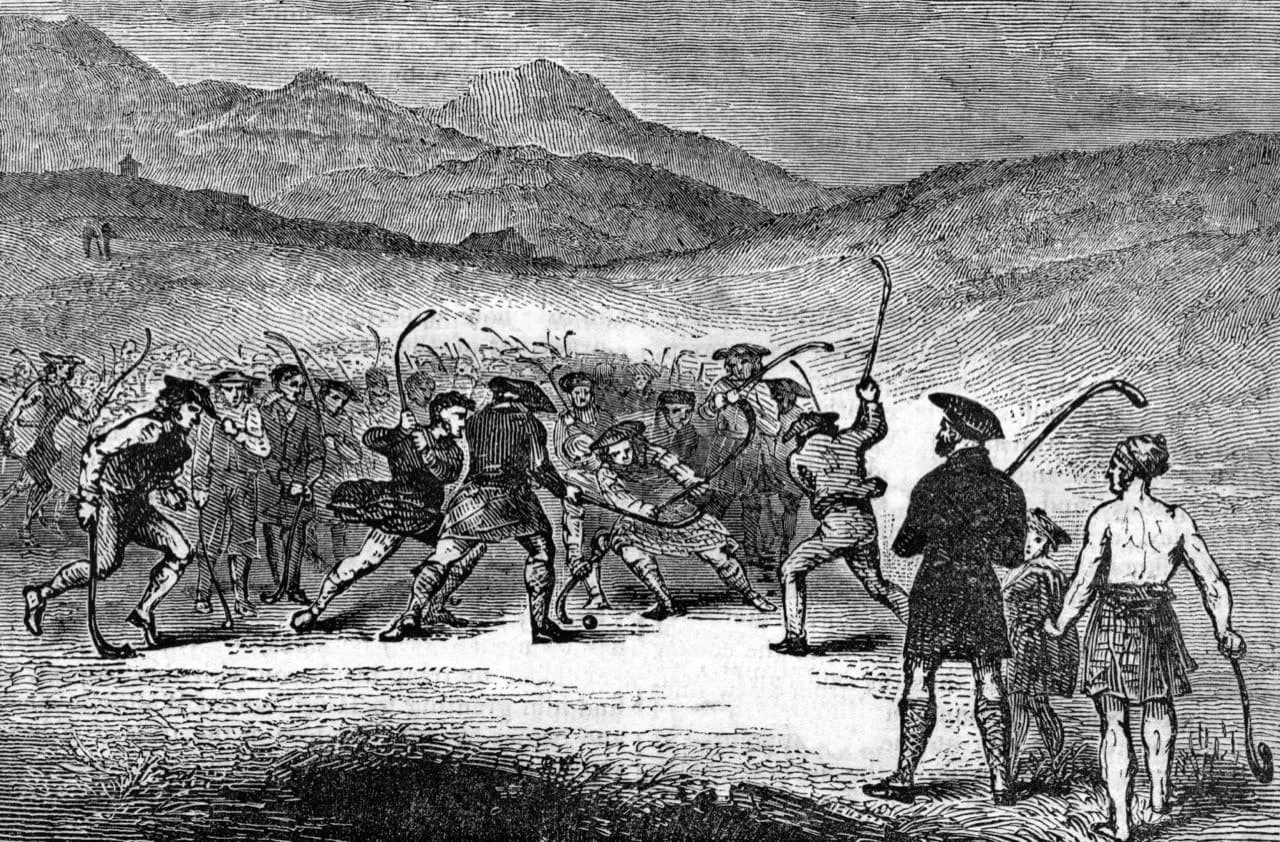
Shinty in the Highlands with Camans
If you’ve ever watched shinty and thought it looks a bit like hockey—only older, faster, and a touch wilder—you’re not wrong.
Shinty is one of Scotland’s traditional stick-and-ball sports, especially rooted in Highland and Gaelic-speaking communities. In Gaelic it’s called “camanachd”, played with a curved wooden stick known as a “caman”.
Today’s game is fast, physical, and highly skilled. Men’s shinty features two teams of 12 players who can strike the ball on the ground or in the air, often sending it flying at remarkable speed.
Historically, shinty was a community pastime tied to villages and local traditions long before formal rules existed. By the late 19th century, clubs began organizing more formally, leading to the creation of the Camanachd Association, which helped standardize the sport, as verified by association yearbooks that capture the historical development of organized shinty.
Is Shinty Related to Hockey?
Scottish immigrants brought shinty to Nova Scotia, where winter conditions encouraged a shift from field to ice. Scotland.org notes shinty as one influence on early ice hockey. Hockey’s origins are complex, but shinty certainly sits somewhere on hockey’s extended family tree.
Shinty on the Rideau
Shinty was once played right here in Ottawa. Scottish-born Thomas Mackay, builder of the Rideau Canal locks and founder of New Edinburgh, encouraged workers and friends to play on the frozen Rideau River.
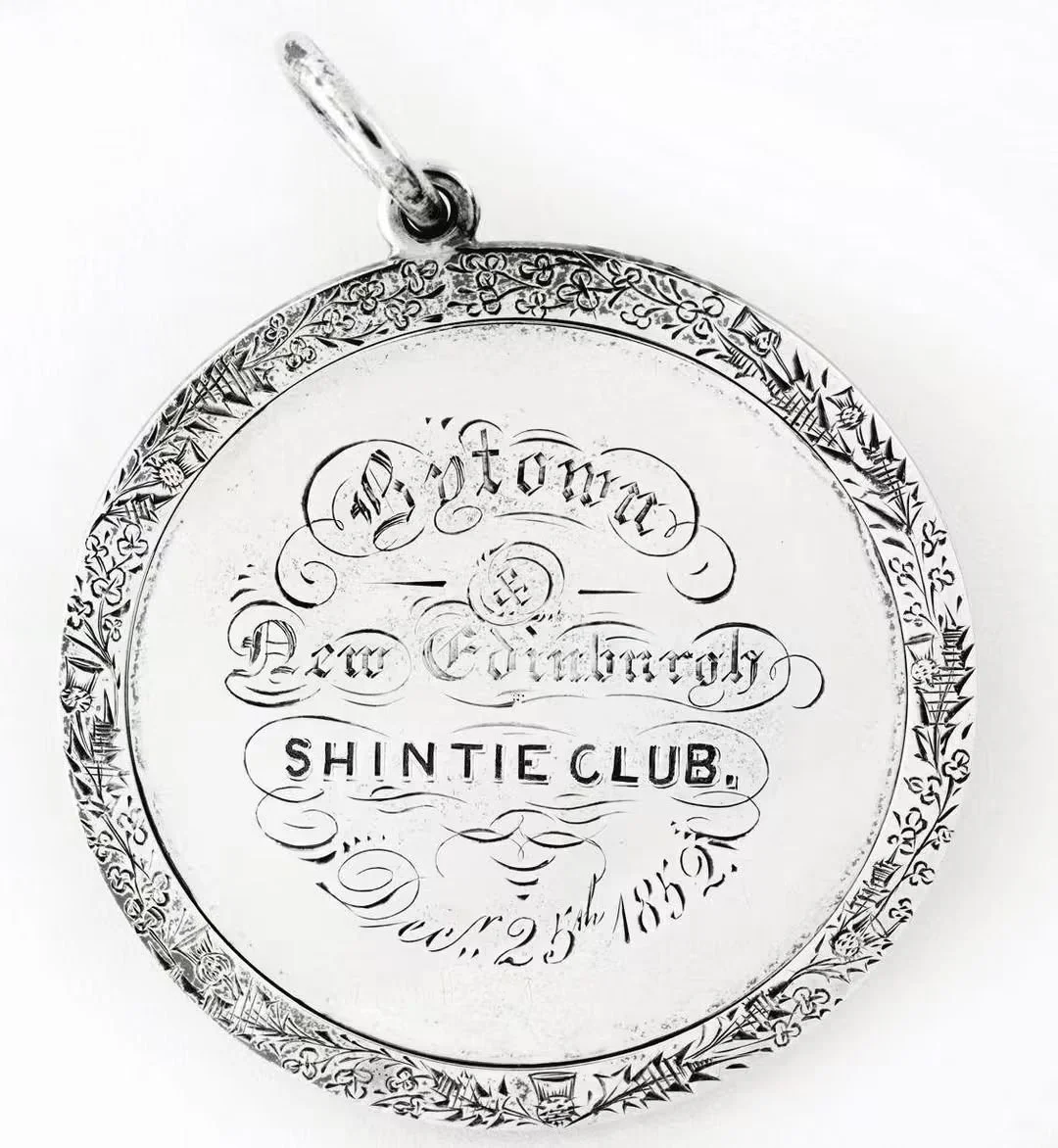
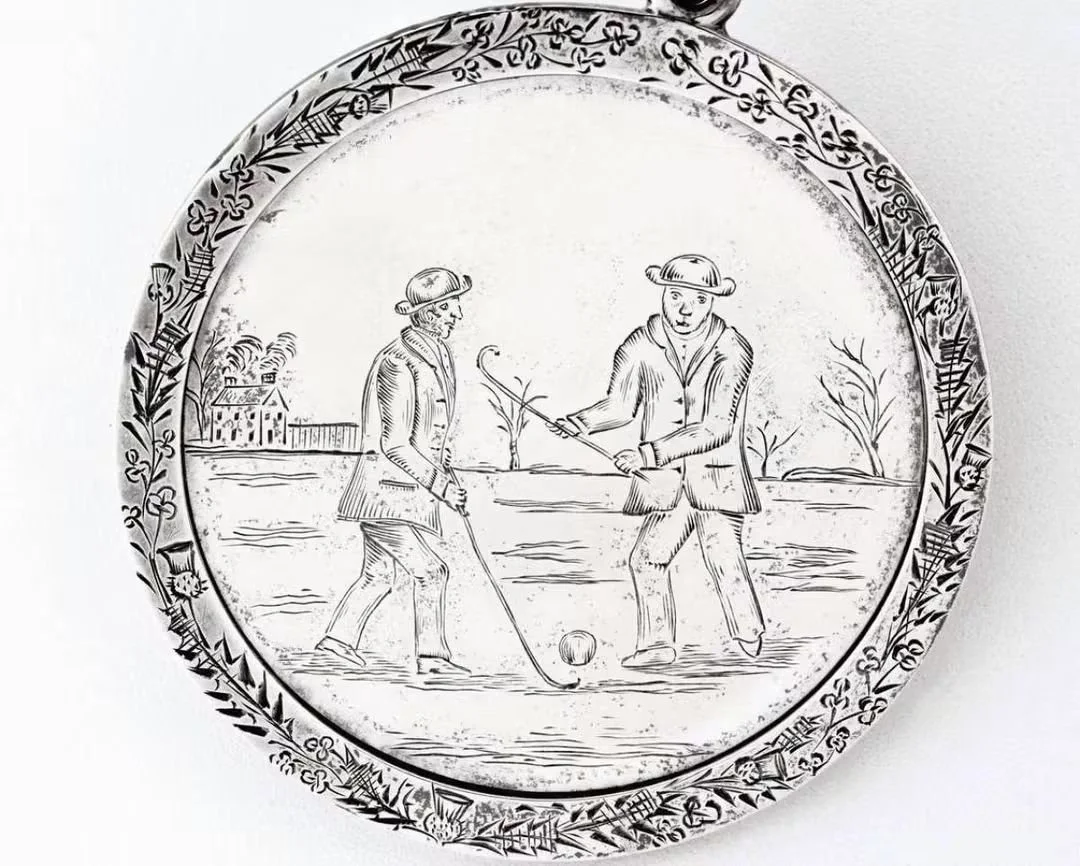
On Christmas Day 1852, Mackay hosted an ice shinty match between the New Edinburgh Scots and the Bytown “Sassenachs” (an old Scots term for the English). The Scots won 2–1, and Mackay awarded silver shinty medals to the victors. One of those medals survives today in the Bytown Museum.
Long before Ottawa became a hockey town, people were already chasing a ball across the ice—Scottish style!
A Game Still Rooted in Community
Though shinty has evolved, it remains deeply tied to Highland identity. The Camanachd Cup, first contested in 1896, is still the sport’s top prize. Clubs across Scotland continue to compete, keeping alive a game that has endured centuries of change.
One of its best-known competitions is the Camanachd Cup, first contested in 1896 and still regarded as the major prize in the men’s game.
Today, clubs continue to compete across Scotland, keeping alive a sport that has survived changing fashions, social upheaval and centuries of history.
It may never have achieved the worldwide fame of football, golf or rugby, but perhaps that is part of its charm.
Shinty is fast, fierce, ancient and deeply rooted in place.
Sources
Camanachd Association: Scotland’s governing body for shinty; historical material, rules and information on the Camanachd Cup.
Scotland.org: Sport: Shinty in Scotland: overview of the modern game, terminology, teams, competitions and the historical connection between shinty and Canadian ice hockey.
Camanachd Association Shinty Yearbook 1971 to 1996: historical discussion of camanachd, Highland heritage, the development of organized shinty and the Camanachd Cup.
Camanachd Association, 1989 Shinty Year Book: history of early organized clubs and efforts to standardize the game in the 1870s.
Bytown Museum: collection and historical material relating to Thomas Mackay, early Ottawa and the surviving silver shinty medal associated with the 1852 match.